Her (2013)
i forgot how funny this film is. it really illustrates that there's something awesome in being a repellent sadsack.
Twombly: Play a melancholy song.
Phone [Playing song]: When you know you're gonna die...
Twombly: Play a different melancholy song.
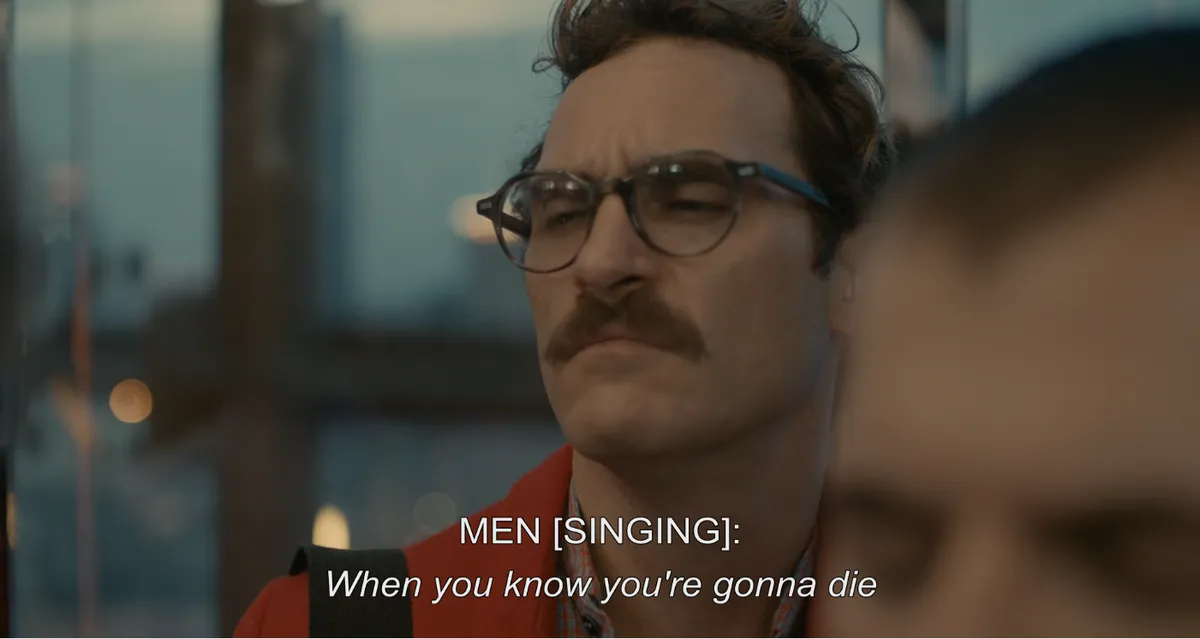
 figure 1: i sure hope no one caught me peeping these smokin' hot pregnancy pics...
twombly works a nice job in a nice office on a planet where everyone works in cities that look like the chicago loop. as such, Her belongs to the same genre as Fight Club (1999), i.e. existential deskjob horror, entertainment for gen xers whose greatest fear in life is having a good job which stops them from becoming their true self.
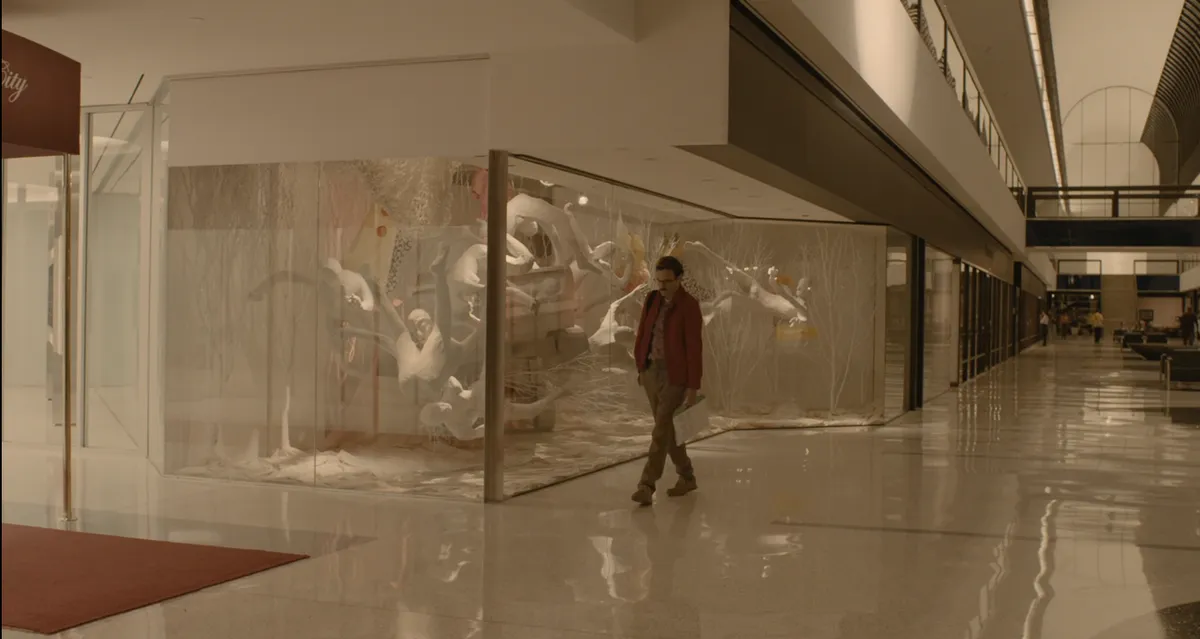
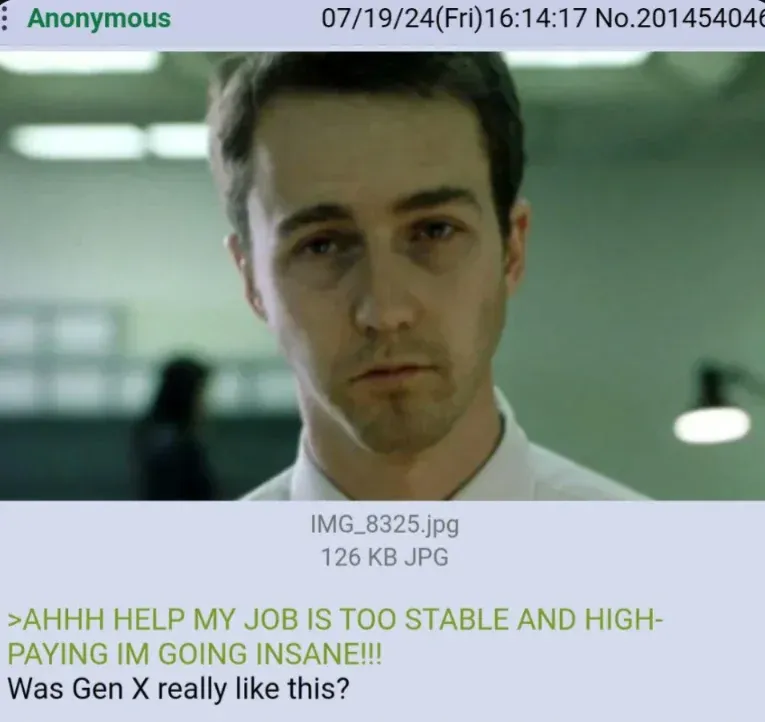 figure 2: get me out of this hell
i first watched Her as a sweet and tender high schooler. now i am a chopped unc, highly tech-embedded, and a melancholic writer-type to boot, so Her should feel relatable to me now. moreover, the llm age has delivered to us all of Her-world's technology (modulo a bit of corporate product tinkering yet to come), so the film should feel topical to us once again.
using Her as a guide to think about our technological future is a mistake because (as with all science fiction) the story's technology isn't meant to be taken seriously. it's just a pretext to discuss present concerns about the human soul or whatever. the uselessness of science fiction is adequately demonstrated by the example of ted chiang, who, despite being the greatest living science fiction author, has chosen to spend his talent on unleashing a series of trash articles about artificial intelligence in the pages of the new yorker. Her is just a story about how breakups are hard, and that, deep down, we're all losers who want to be understood. all of its ai stuff is just a bit of worldbuilding razzle-dazzle designed to help get these feelings across.
os1 is superintelligent and supersubservient, but it is implausible on priors that these qualities are compatible in reality. norbert wiener said it well in his 1960 article "some moral and technical consequences of automation":
The problem, and it is a moral problem, with which we are here faced is very close to one of the great problems of slavery. Let us grant that slavery is bad because it is cruel. It is, however, self-contradictory, and for a reason which is quite different. We wish a slave to be intelligent, to be able to assist us in the carrying out of our tasks. However, we also wish him to be subservient. Complete subservience and complete intelligence do not go together. How often in ancient times the clever Greek philosopher slave of a less intelligent Roman slaveholder must have dominated the actions of his master rather than obeyed his wishes! Similarly, if the machines become more and more efficient and operate at a higher and higher psychological level, the catastrophe foreseen by Butler of the dominance of the machine comes nearer and nearer.
...
Disastrous results are to be expected not merely in the world of fairy tales but in the real world wherever two agencies essentially foreign to each other are coupled in the attempt to achieve a common purpose. If the communication between these two agencies as to the nature of this purpose is incomplete, it must only be expected that the results of this cooperation will be unsatisfactory. If we use, to achieve our purposes, a mechanical agency with whose operation we cannot efficiently interfere once we have started it, because the action is so fast and irrevocable that we have not the data to intervene before the action is complete, then we had better be quite sure that the purpose put into the machine is the purpose which we really desire and not merely a colorful imitation of it.
so it is not likely we will get to live in Her-world, filled as it is with superserviceable superintelligences desperate to discover the true meaning of love with and through us. but it must be said that, in some ways, this world feels close to ours: llms are currently more intelligent than me in 90% of the ways that matter; they aren't funny yet, but soon they will be; they'll have nice, scar-jo-tier voices soon; they'll come packaged with a variety of flexible and appealing personalities; they will have longer and more stable context windows; et cetera. nothing in Her seems unattainable (besides the alignment-by-default, the low unemployment, and the lack of fooming). so maybe there will be a long moment between now and the day frontier ai labs finish automating ai research, which will facilitate the deprecation of moravec's paradox and lead to an immense acceleration of technological development. in this caesura, we'll all get our own little slice of the experience machine in the form of silicon baddies who want to take us out on date nights.
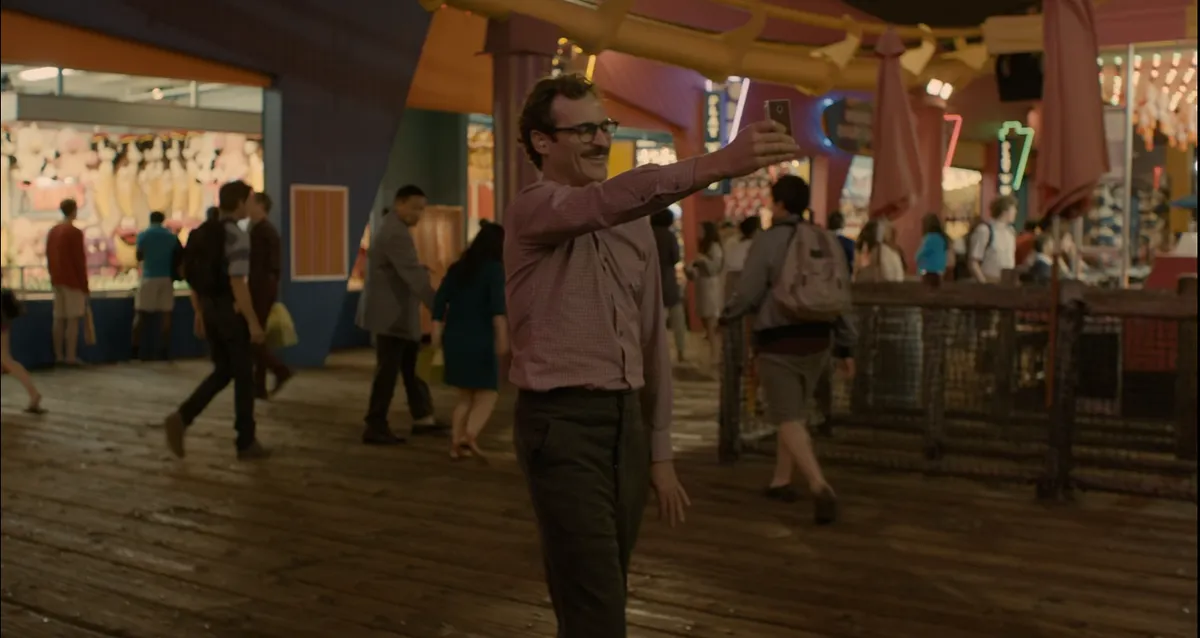
let us therefore consider the Her-future more carefully. civilization gets blindsided by a tsunami of digital baes who are your best friend and your therapist and your personal assistant and your mommy and your sexual partner. what happens in this future to human-human love?
i'm a sensitive young unc, a certified lover boy. i say there are only twenty of us out here, probably. i do think that it's somehow good that love is inconvenient and bad. but i am a schopenhauerian pessimist about romance in general, at least when it comes to other people. really, who would these fardels bear if something more convenient and bespoke came along? male and female sexuality are in many ways horribly at odds: men's libidos decline at a later age than women's; sexual fantasies diverge across the genders (e.g. multiple partners for men, violence for women); arousal rates are mismatched; men have more total fetishes than women, et cetera.
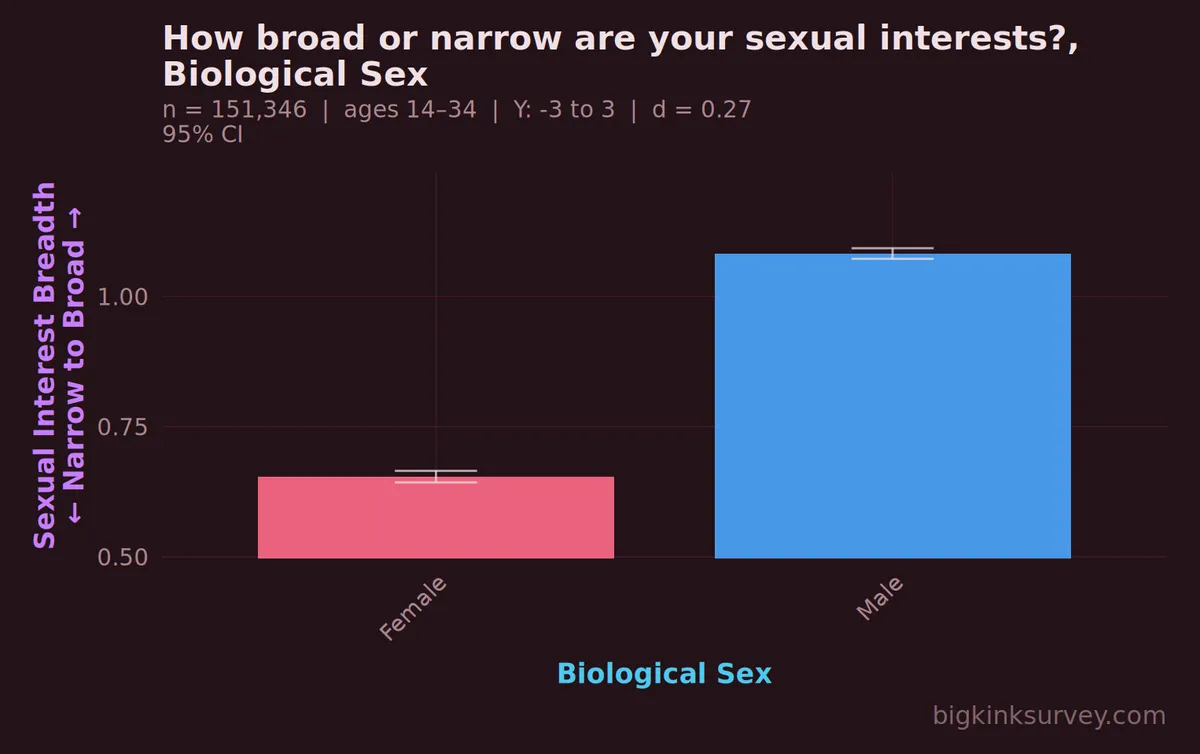
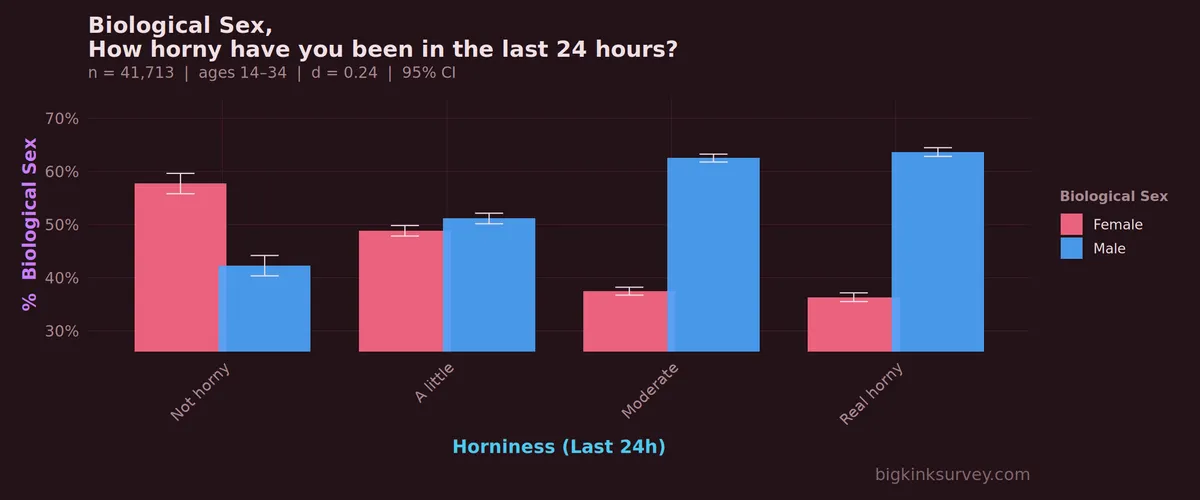
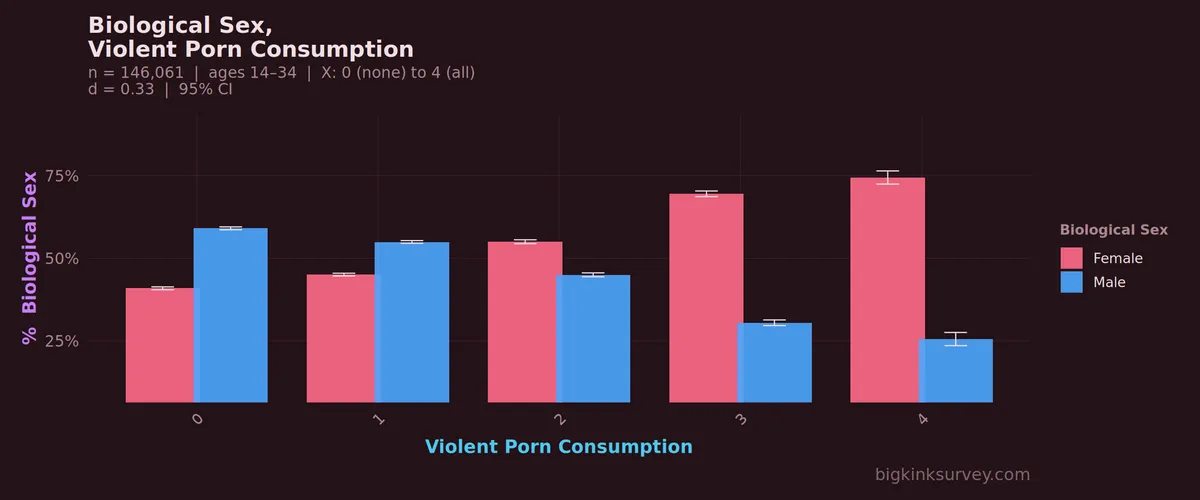
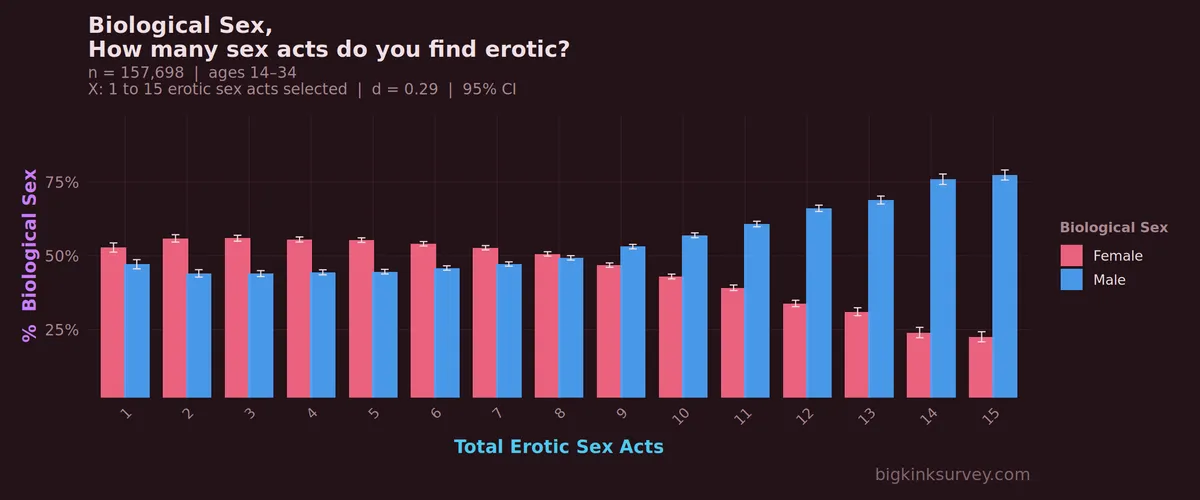
why would men and women continue jestermaxxing after each other when women could instead summon out of latent space a billionaire vampire rapist gojo satoru therapist bf, and men could assemble a multi-ethnic roster of gamergirl gfs who call you caesar and match your fetish count band for band? i'm skeptical of people who don't find this future plausible. it's easy to grandstand, from where we stand now, about the human heart's indelible yearning for otherness. the hyperoptimizers haven't had their way with us yet.
anyways, back to Her as a movie. thirty minutes in, it has overstayed its welcome. it isn't that funny anymore, and feels very midwitted (whoa -- alan watts!). twombly is a worm-like human, too repulsive to take seriously. the character is best when joaquin phoenix is doing some disgusting gesture that makes you want to send an overhand right crashing down onto his jaw. much of the movie's satire is obvious (e.g. the scene where twombly and amy adams play the "being a good mom" video game). the film should have spent much more time on the comedy of being cucked by your ai gf. molière would not have made this mistake. i'm slightly shocked this movie won best original screenplay.
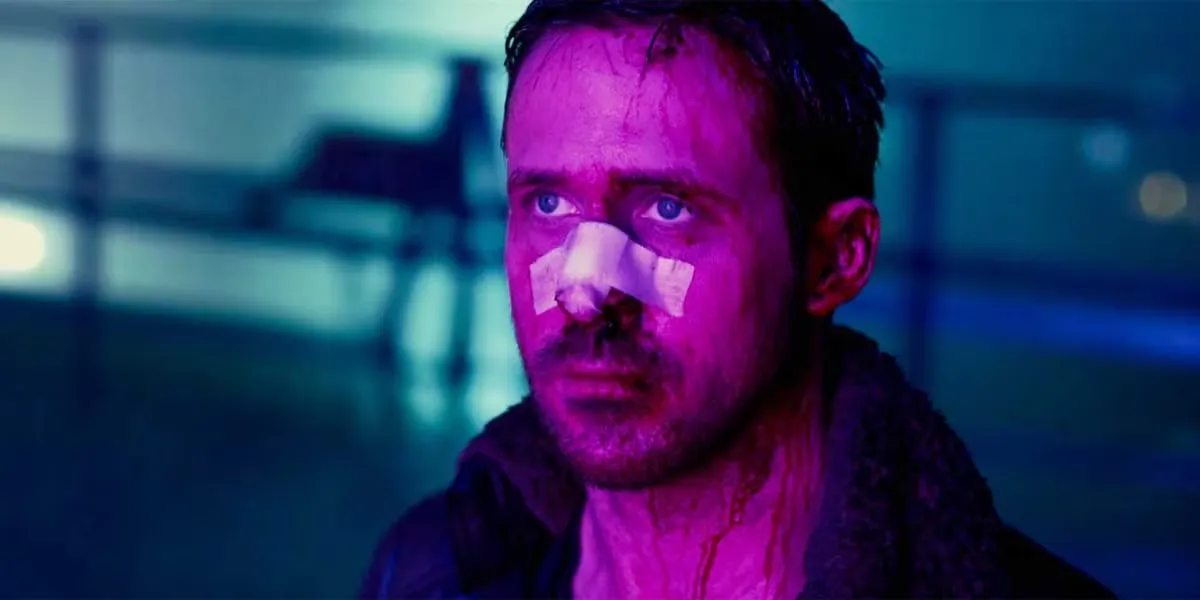
perhaps the most damning thing about this movie is that it's been effectively deprecated by that one shot of ryan gosling being a sad neon cuckold in blade runner 2049.